
Practical Tips for Sustainable Homesteading
- Riley Peterson
- Jun 28, 2025
- 4 min read

Sustainable homesteading is becoming increasingly popular among those who want to live more responsibly. With growing concerns about climate change and environmental degradation, many are turning to self-sufficiency and sustainable practices to ensure a healthier planet for future generations. This blog post outlines practical tips on how to integrate sustainable living into your daily life and ecosystem.
Sustainable Living Ideas
Sustainable living ideas can vary based on your location, resources, and personal goals. Here are some foundational practices that can help you get started on your journey toward sustainability.
1. Grow Your Own Food
One of the most effective ways to live sustainably is to grow your own food. Start with easy-to-grow vegetables like tomatoes, lettuce, and radishes. If space is limited, consider vertical gardening or container gardening to maximize your yield.
The benefits of growing your own food are numerous. For starters, you reduce your carbon footprint as there’s no need for transportation or packaging. Additionally, homegrown produce is usually fresher and more nutritious than store-bought.

2. Use Renewable Energy Sources
Investing in renewable energy is a great way to enhance your sustainability efforts. Solar panels and wind turbines can significantly reduce your reliance on fossil fuels, however there are some disadvantages. Depending on your location and climate, you might find that solar energy is the most viable option.
Not only do these energy sources help reduce greenhouse gas emissions, but they can also save you money in the long run. According to the U.S. Department of Energy, homes with solar panels can save between $10,000 and $30,000 over their lifetime.

How do I begin homesteading?
Beginning your journey into homesteading can seem overwhelming, but it doesn’t have to be. Start small and gradually incorporate new practices into your lifestyle.
Research: Read books, blogs, forums and watch videos focused on homesteading. Learning from others’ experiences can provide valuable insights and help you avoid common pitfalls.
Plan: Make a list of what you’d like to achieve. Whether it's growing your own food, raising chickens, or preserving seasonal produce, having a plan can guide your efforts.
Network: Connect with local homesteaders or community gardens. You can exchange ideas, resources, and even seeds or plants.
Take Action: Once your research and planning are complete, start implementing your ideas. Begin with one project at a time, like establishing a small herb garden or activating a compost bin.
3. Composting Organics
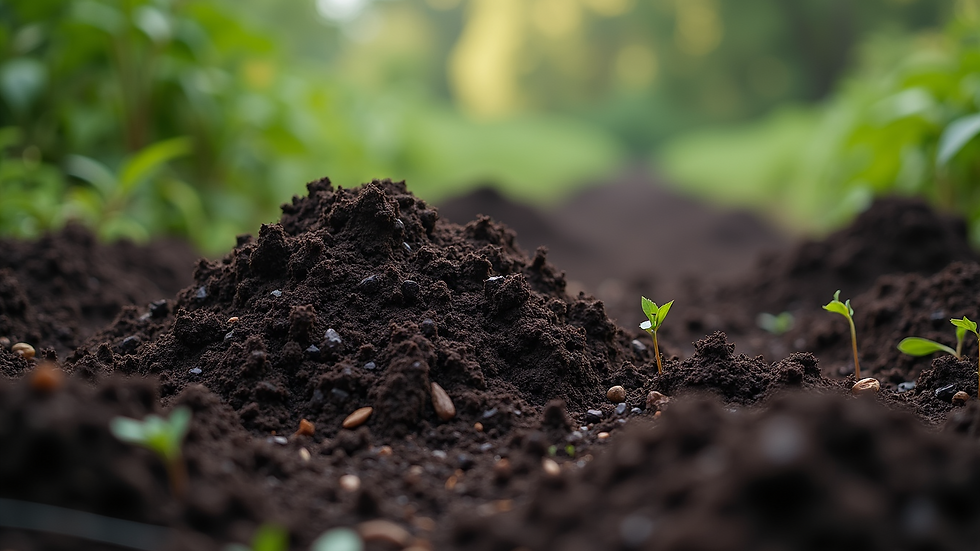
Composting is an excellent way to minimize waste while enriching your soil. It also closes the loop in your kitchen waste cycle. Instead of throwing away fruit peels, vegetable scraps, and coffee grounds, create a compost bin where these items can break down naturally.
A compost pile is not only beneficial for the environment, but it also enhances the health of your garden. Healthy soil leads to robust plants that require less water and pesticides.
4. Water Conservation Techniques
Water is a precious resource that should be conserved, especially in areas subject to drought. Implementing rainwater collection systems can help you manage water usage efficiently. Install barrels at downspouts to collect rainwater for later use in your garden.
Here are some additional tips for conserving water:
Use drip irrigation systems instead of traditional sprinklers, which can waste a lot of water.
Mulch your garden beds to retain moisture.
Check for leaks in your home and irrigation systems, repairing them promptly.
5. Mindful Waste Management
Reducing waste is crucial in living sustainably. Assess how much waste you generate and find ways to minimize it. Start by using reusable shopping bags, containers, and water bottles.
Another effective practice is to prioritize items that have minimal packaging when shopping. Buying in bulk can reduce the amount of plastic waste generated from individual packages. If you generate waste, make sure to recycle what you can and repurpose items whenever possible.
6. Sustainable Transportation
Transportation is a significant contributor to carbon emissions. Consider alternatives such as biking, walking, carpooling, or using public transport. If you have any flexibility with your work schedule, you might even work from home when possible to limit travel altogether.
For longer distances, consider investing in an electric vehicle (EV) to reduce emissions significantly. Many local and federal incentives can help offset the cost of purchasing an EV.
Practical Tips on Livestock
If you have the space and resources, raising small livestock such as chickens or goats can supplement your sustainable living practices. Chickens can provide eggs and help with pest control, while goats or sheep can assist in clearing brush and provide milk.
Before adding livestock, ensure you understand local zoning laws and requirements. Educate yourself on animal husbandry to provide your animals with a healthy and ethical environment.
Building Community Connections
Living sustainably is not just about individual efforts. Building a community around sustainable practices can amplify your impact. Join community gardens, local farmers' markets, or environmental groups to stay engaged with like-minded individuals.
Participating in community initiatives can lead to shared resources, skills, and knowledge, making your journey toward sustainable living more effective and enjoyable.
Final Thoughts on Sustainable Practices
Adopting sustainable practices may take time and effort, but the impact is well worth it. Whether growing your own food, conserving water, or connecting with your community, every small step makes a difference. Remember, the path to a sustainable lifestyle is a journey—embrace it, and make it a rewarding experience.
By incorporating these practical tips into your daily routine, you can contribute to a healthier planet while also enhancing your quality of life. The goal is to create not just a sustainable home, but a sustainable future.

Comments